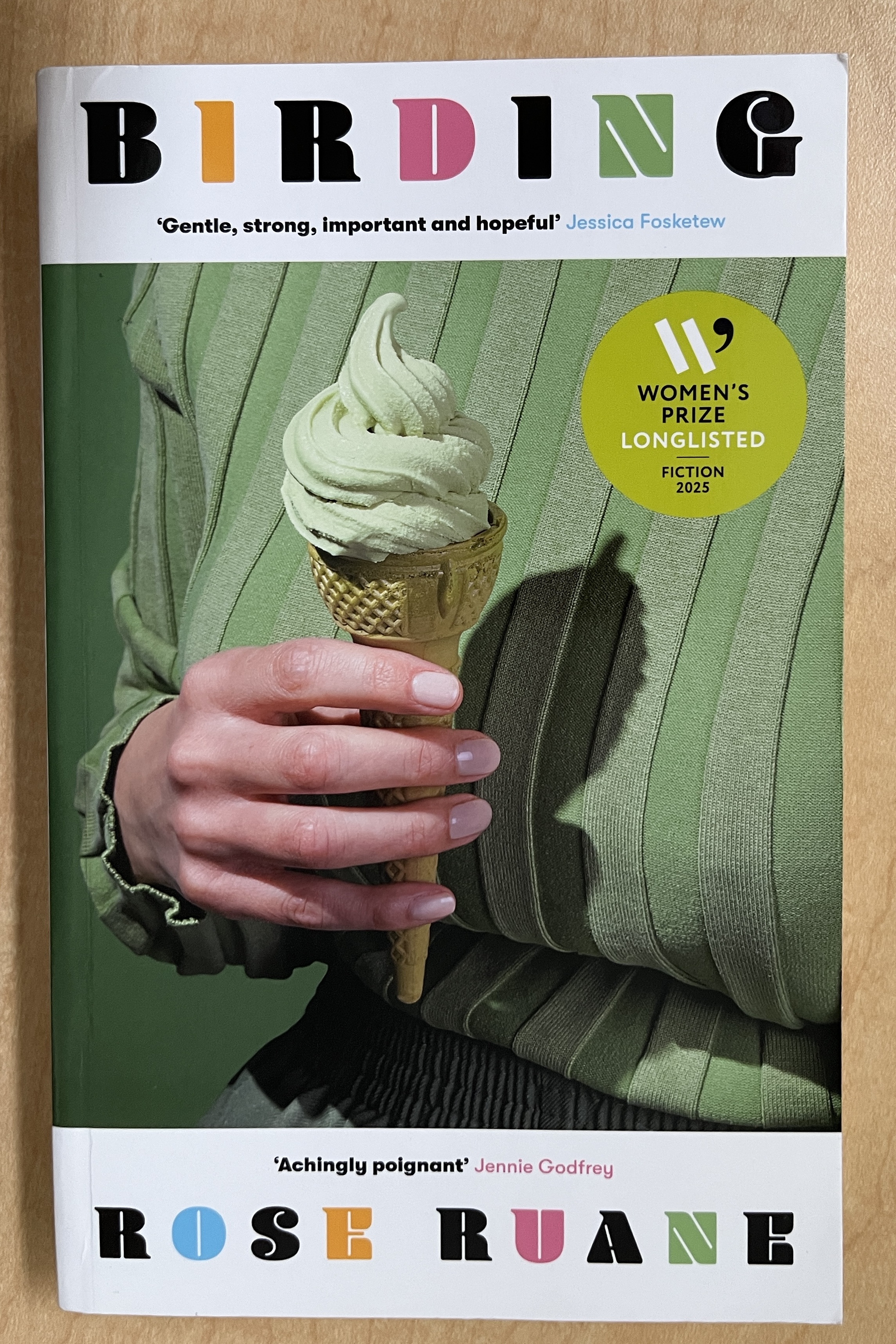
 I heard a bit of this read on the Backlisted podcast last year, even before the book was available. I pre-ordered it, and so when it arrived it was a bit of a surprise (I’d forgotten the order).
The novel interleaves the stories of Lydia and of Joyce. Lydia is a former pop-star whose life peaked at 19 and since has been a long slide into obscurity and bad choices. Joyce lives apart from the world in a strange twin-like existence with her mother, a domineering and faded local beauty queen.
The theme for nearly all female characters here (and almost all the characters are female) is the abuse inflicted on them by men as the cause of their lifelong misery. Lydia is emerging from a long-term destructive relationship; in the height of the #metoo movement, the relationship culminates in a self-serving apology from the man, sending Lydia into a tailspin. Joyce and her mother’s near destitution, along with their individual neuroses, date back to some terrible dealings between their father/husband and some local criminals. By the end, both Lydia and Joyce have had their epiphanies and reformations, and are on better paths in their lives.
Lydia’s story is perhaps cleaner and clearer than Joyce’s but there is an important overlap that brings them into brief alignment, and each story provides a provocative counterpoint to the other. There are some interesting threads about the fallibility of memory and the impact of parents on children, especially restrictive parents and the resulting revolt of independent minded girls.
I enjoyed this book, primarily for the detailed and nuanced characters and the lovely language. Ruane’s descriptions of people and places, and the pacing of the story, are all excellent. The dialogue was good, if a bit expository near the end, and the back-and-forth between the storylines was deftly done.
I was troubled by the lack of accountability by the women in the story. For many of them, they perceive their desperate circumstances are entirely the fault of the men in their lives, and any consideration of choices they each made are circumscribed by what the men did. There are a few too many excuses given, too much reliance on that past experience, to have true understanding of current predicaments or support for their next choices. Similarly, there is little consideration of how the women treat each other as contributing, and sometimes predominant, factors to their situations, or much in the way of chagrin for their own roles in their and their comrades’ circumstances. While there is much sympathy engendered for the characters, I found less in the way of empathy for those who take little to no responsibility for their own actions and their consequences.
On the strength of the writing, I’m glad I read this book, and will likely seek out Ruane’s earlier novel for more of her.
Fate: little book library
4 – published in 2024
8 – female author
20 – one-word title
25 – new author to me
 rclr
rclr 
Leave a comment