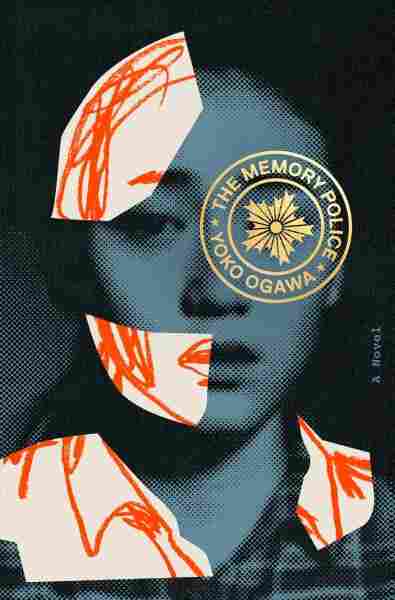
 This was an impulse purchase in my post-Christmas bookshop binge, chosen from the “we recommend” shelves at my local shop. Having read and enjoyed previous Japanese novels (e.g., There’s No Such Thing as an Easy Job) last year, I was interested to explore something more substantial, and this “speculative fiction” appealed. I was not disappointed.
SPOILER: On an unnamed island, the population is subject to disappearances in their lives, and not of people (although that happens, too) but of objects and pieces of life. It started slowly at first, but gradually the disappearances of things become more dramatic and complicated. Things like perfume, jewels, hats, and stamps are sad but not too inconvenient. But then comes the disappearance of birds, of flowers, fruit, photographs, and calendars. And then the disappearance of seasons, leaving the island trapped in perpetual winter. As the things disappear, so too do the inhabitants’ capacity to remember them, eventually forgetting the names and ideas of the items. When the item is a natural one, the item just dies off and drifts away; when flowers disappear, there is a day when the air and the river are choked with rose petals, as the flowers are blown from the gardens and washed from life. As part of each disappearance of a manmade thing, the people gather up the items and either throw them into the sea or burn them. When calendars disappear, people lose the ability to keep track of days or how much time is passing, which signals the strong connection between objects and what they symbolize.
The narrator is a novelist, who hand-writes her stories and delivers them regularly to a local publisher named R. Unlike other islanders, but like the narrator’s own mother, R does not lose his memories of disappeared items. He remembers perfume, candy, birds, and so has to be careful to blend in with the population and pretend that he doesn’t remember. This is because of the titular Memory Police, a sinister and marauding force on the island that seek out those who resist disappearances or who retain their memories. When they find those who remember (or those who hide them), they are taken away and either don’t return at all or are returned dead. No one knows where people are taken or what happens to them – rumours of genetic research to understand why they remember, general punishment for disobedience. The narrator decides to hide R. in her home, a daring act that she doesn’t understand for herself, other than that without him there is no one to understand and support her writing. With a friend, she builds a secret room in her house, and R. comes to live there. They survive mishaps and interactions with the Memory Police, but ultimately they cannot survive the disappearances that eventually take everything away. SPOILER ENDS.
Part 1984, part Diary of Anne Frank, this novel is excellent. It creates an entire society that is affected by its isolation as well as the mysterious malevolence of whatever is causing and controlling the disappearances. As the losses continue and compound, you can feel the increased anxiety and trauma of the citizens as they continue to try to be normal about it all. As more and more of their lives are removed or constrained, there is the casual acceptance of each loss (“it’s not that bad, it could be worse”) and an unwillingness to acknowledge the pain or to fight back (“what can you do? we can’t fight the memory police.”). The ultimate pacifists, the citizens and their world eventually disappear entirely. Throughout the novel, the narrator tells stories of people who lose the power of speech when they cease to use their voices, and this is the fate of those who don’t speak up. I was reminded in the end of the poem “First They Came“, reflecting the slow erosion of society by insidious controls that ultimately lead to totalitarianism.
There is no explanation given for who is directing all of this or why. There is clearly an outside world, as the island used to have a ferry (disappeared) and their supplies and the Memory Police come from somewhere. That mystery is never solved in the novel, although there is hope at the end that it will be eventually, as those with their memories start to emerge from hiding.
The translation is excellent, reading very well in English and maintaining tension and interest throughout. There was one minor snag: the disappearance of fruit is mentioned fairly early in the book, and yet there are a few scenes later on involving the purchase and eating of fruit. This may have been a translation issue, as perhaps not all fruit disappeared. Otherwise, the story was compelling, intriguing, creative, and sad. I was surprised to learn it is 30 years old, only translated in 2019. It reads as fresh and engaging as a new novel.
Fate: I’m going to hang on to it for a bit, as I may recommend it for another book club. After that, it will make its way to a little library.
8 – female author
9 – being made into a film
21 – translation
25 – new author to me
34 – has won prizes
 rclr
rclr 